


Syphilis Treatment
Syphilis Treatment 100mg
Syphilis treatment provides effective relief and management of symptoms. Designed to eradicate infections, reduce severity, and promote healing, this medication is essential for treating Syphilis. Order now to experience comprehensive and reliable care for Syphilis.

In stock
Overview
Syphilis is a sexually transmitted infection (STI) caused by the bacterium Treponema pallidum. It is primarily transmitted through direct contact with sores from an infected individual, commonly through unprotected sexual activity or sharing needles. It can also be passed from mother to baby during pregnancy, leading to congenital syphilis. Syphilis progresses through several stages, each with distinctive symptoms and health impacts if left untreated.
Stages of Syphilis
Primary Stage
In the primary stage, syphilis often starts without noticeable symptoms, and the infection may go undetected. A telltale sign is a chancre sore that appears 10 to 90 days after exposure. This small, firm, painless sore usually appears on areas like the genitals, anus, or mouth. It heals on its own within 3 to 6 weeks, but without treatment, the infection progresses.
Secondary Stage
The secondary stage appears several weeks after the initial sore heals. Symptoms may include a rash on the torso, arms, legs, and sometimes on the palms and soles, which doesn’t itch. Additional symptoms might be gray or white mouth sores, sore throat, fever, headaches, and swollen lymph nodes. The signs may subside on their own, but without treatment, syphilis can still advance.
Advanced Syphilis
Without timely treatment, syphilis can lead to serious complications over years, potentially affecting the brain, nerves, heart, and other vital organs. Advanced syphilis can be life-threatening.
Diagnosis of Syphilis
To diagnose syphilis, a healthcare provider typically performs blood tests or takes a sample of tissue or fluid from a sore for analysis. Blood tests may detect antibodies or the presence of the bacterium. Early diagnosis is key to preventing severe complications.
Treatment for Syphilis
Treatment involves antibiotics, especially penicillin, which is effective against syphilis. Post-exposure prophylaxis (PEP), such as taking antibiotics within 72 hours of exposure, may prevent the infection from developing. Other medications, like acetaminophen, can relieve pain and fever. Nonsteroidal anti-inflammatory drugs (NSAIDs) may also help with pain and swelling. Treatment usually requires that sexual activity be avoided until the infection is cleared, which can take about 2 months. All recent sexual partners need to be notified for testing and potential treatment to prevent reinfection or further spread.
Prevention of Syphilis
To prevent the spread of syphilis, it's essential to use condoms or latex barriers during all types of sexual contact. Additionally, regular STI testing, especially for those at higher risk or with multiple partners, is crucial in managing health and preventing transmission. People diagnosed with syphilis should get tested for HIV, as co-infection is common.
Dosage for Syphilis Treatment
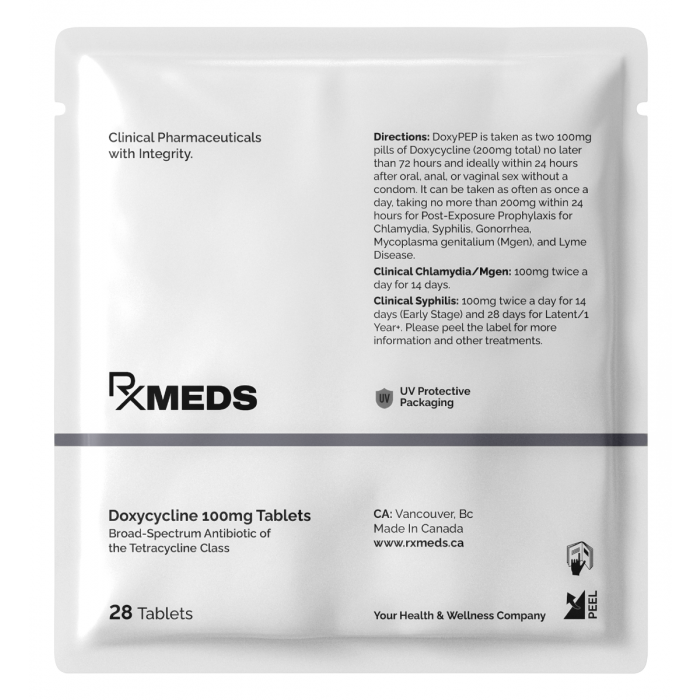
The primary treatment for syphilis involves antibiotics, with the standard being a single intramuscular injection of benzathine penicillin G for primary, secondary, or early latent syphilis. If the infection is in a later stage or if there are complications, a prolonged course of penicillin, often administered in weekly doses over three weeks, may be required. For individuals allergic to penicillin, doxycycline is a common alternative antibiotic for treating syphilis. Here is the typical dosage for doxycycline in syphilis treatment:
- Primary, Secondary, or Early Latent Syphilis:
Dosage: 100 mg of doxycycline, taken orally twice daily for 14 days. - Late Latent Syphilis or Syphilis of Unknown Duration:
Dosage: 100 mg of doxycycline, taken orally twice daily for 28 days.
These dosages are general guidelines and may vary based on individual health conditions and responses. It is essential to consult a healthcare provider for specific treatment recommendations and to ensure appropriate follow-up testing to confirm the infection is fully treated.