


Scrub Typhus Treatment
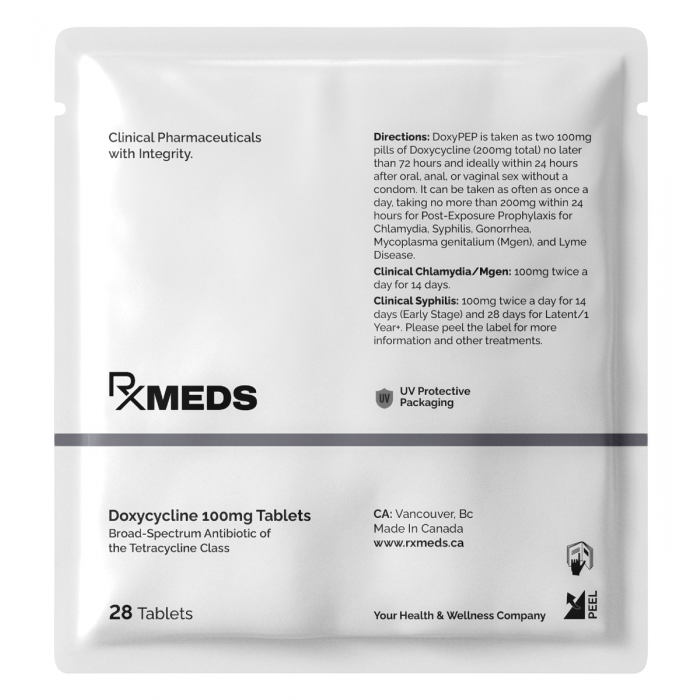
Scrub Typhus Treatment 100mg
Scrub Typhus treatment provides effective relief and management of symptoms. Designed to eradicate the disease transmitted by mite bites, reduce severity, and promote healing, this medication is essential for treating Scrub Typhus. Order now to experience comprehensive and reliable care for Scrub Typhus.

In stock
Overview
Scrub typhus is an infectious disease caused by Orientia tsutsugamushi, transmitted through the bite of infected chiggers (larval mites). The condition primarily affects people in rural areas of East Asia, South Asia, and the Pacific Islands, where these mites are commonly found in vegetation and areas with heavy foliage. If untreated, scrub typhus can lead to severe complications, including multi-organ failure, respiratory distress, and even death. Prompt and effective antibiotic treatment is essential for reducing symptoms and preventing complications.
Doxycycline is considered the first-line treatment for scrub typhus and all other rickettsial infections due to its effectiveness, rapid action, and generally well-tolerated safety profile. It is a broad-spectrum tetracycline antibiotic that inhibits bacterial protein synthesis, leading to the arrest of bacterial growth. Doxycycline’s advantages in treating scrub typhus include a rapid reduction of fever and symptom relief within 48 hours of initiation. In most cases, the response to doxycycline is highly favorable, significantly reducing mortality rates associated with scrub typhus.
Mechanism of Action of Doxycycline
Doxycycline works by binding to the bacterial 30S ribosomal subunit, blocking the attachment of aminoacyl-tRNA to the mRNA-ribosome complex. This inhibition prevents protein synthesis and thereby suppresses bacterial growth. Doxycycline has a broad spectrum of activity against rickettsial organisms, including O. tsutsugamushi, making it a highly effective choice for scrub typhus.
Administration and Dosage of Doxycycline for Scrub Typhus
Adults:
- Dosage: 100 mg taken orally or intravenously every 12 hours.
- Duration: Continue treatment for 5 to 7 days, or at least 48 hours after the patient becomes afebrile (fever-free) and shows clinical improvement. Typically, a full course of treatment is completed within 7 days.
Pediatric Patients:
- Dosage: For children of all ages, including those under 8 years old, the dosage is generally 2.2 mg/kg taken orally or intravenously every 12 hours.
- Duration: The treatment duration is similar to adults, usually lasting for 5 to 7 days, with adjustments based on clinical response.
Important Considerations for Doxycycline Use in Scrub Typhus
- Effectiveness in All Age Groups: Despite initial hesitancy in using doxycycline for young children due to concerns about dental discoloration, current guidelines support doxycycline use in pediatric patients for rickettsial infections, including scrub typhus, as the benefits outweigh the risks.
- Onset of Action: Doxycycline is known to reduce fever and other symptoms rapidly, often within 1 to 2 days of starting treatment. This quick response can prevent complications and lead to a smoother recovery.
- Monitoring and Follow-Up: Patients should be observed closely, particularly those with severe infections or comorbidities. For patients who do not respond to treatment within 48 hours, reevaluation may be necessary to confirm the diagnosis and rule out other possible infections or complications.
- Precautions and Side Effects: While doxycycline is generally safe, it may cause gastrointestinal symptoms (nausea, vomiting) and increased sensitivity to sunlight. Patients are advised to avoid excessive sun exposure and wear sunscreen during treatment. It’s recommended to take doxycycline with a full glass of water to reduce the risk of esophageal irritation and ulceration.
- Resistance Considerations: While doxycycline is the most effective treatment for scrub typhus, cases of antibiotic resistance have been reported in some areas. In such instances, alternative treatments, like azithromycin, may be considered, but doxycycline remains the preferred option in most cases.
Summary
Doxycycline remains the cornerstone of scrub typhus treatment due to its effectiveness, rapid action, and suitability for all age groups. Given promptly, it provides quick relief of symptoms and prevents the progression to severe complications. The standard dosage is 100 mg every 12 hours for adults, or 2.2 mg/kg for children every 12 hours, with a typical treatment duration of 5 to 7 days, continuing until symptoms resolve. Regular monitoring, especially for patients with severe symptoms, ensures the best outcomes, minimizing risks associated with untreated scrub typhus.