


Malaria (Prophylaxis and Treatment)
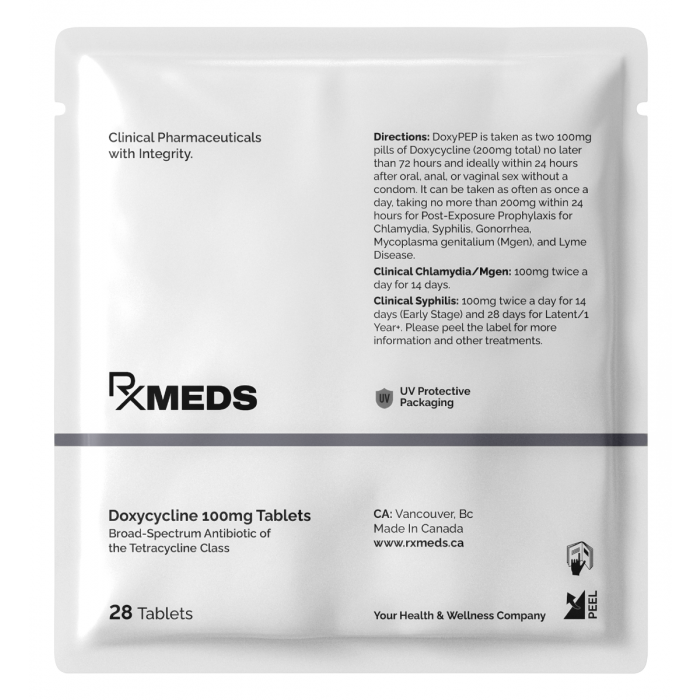
Malaria (Prophylaxis and Treatment) 100mg
Malaria (prophylaxis and treatment) provides effective prevention and management of symptoms. Designed to both prevent and treat malaria, this medication is essential for combating the mosquito-borne disease. Order now to experience comprehensive and reliable care for malaria.

In stock
Overview
Malaria is a serious infectious disease caused by Plasmodium parasites, transmitted through the bites of infected Anopheles mosquitoes. While preventable and treatable, malaria remains a major health concern, particularly in tropical and subtropical regions where malaria transmission is high. Among the species responsible for malaria, P. falciparum is the most deadly and is often resistant to traditional antimalarial drugs like chloroquine. P. vivax and P. ovale are also significant, as they can cause recurring infections due to dormant liver-stage parasites (hypnozoites).
Doxycycline, a tetracycline antibiotic, is widely used both for malaria prevention (prophylaxis) and treatment due to its ability to inhibit protein synthesis in Plasmodium parasites. It is particularly effective in areas where P. falciparum is resistant to chloroquine and other antimalarials. This makes it a preferred choice for travelers and residents in regions with a high prevalence of drug-resistant malaria, including much of sub-Saharan Africa, Southeast Asia, and parts of South America.
When used as prophylaxis, Doxycycline provides reliable protection against malaria by killing blood-stage parasites before they cause symptoms. However, since it only affects the blood-stage parasites and not the liver-stage hypnozoites of P. vivax and P. ovale, it does not prevent relapses of malaria caused by these species. In such cases, an additional antimalarial (such as primaquine) may be required after travel to clear dormant liver-stage parasites, known as terminal prophylaxis.
For treatment of uncomplicated malaria caused by P. falciparum, Doxycycline is often combined with other antimalarial drugs like quinine. This combination is effective in clearing the infection, as Doxycycline works synergistically with other medications to increase cure rates, especially in cases of multidrug-resistant malaria. In treatment regimens, Doxycycline serves to eradicate residual parasites in the blood, ensuring that infection does not recur. This approach is critical for patients returning from endemic areas or those with potential exposure to chloroquine-resistant strains.
Doxycycline is also favored for its relatively low risk of serious side effects compared to other antimalarials. However, it can cause gastrointestinal discomfort, increased sensitivity to sunlight, and, in rare cases, allergic reactions. To minimize side effects, Doxycycline is generally taken with food and plenty of fluids, and patients are advised to avoid excessive sun exposure. It is not suitable for children under eight years of age or pregnant women due to the risk of adverse effects on bone and teeth development.
Dosage for Malaria Prophylaxis and Treatment Using Doxycycline
Malaria Prophylaxis:
- Adults and Children over 8 Years: 100 mg of Doxycycline once daily.
- Timing: Start 1–2 days before entering a malaria-endemic area. Continue taking it daily during the stay in the area and for 4 weeks after leaving.
Treatment of Malaria:
- Adults: Doxycycline 100 mg twice daily for 7 days, often in combination with quinine (usually quinine sulfate 650 mg every 8 hours for 3–7 days).
- Children over 8 Years: Dosage based on weight (usually 2 mg/kg twice daily) for 7 days, with a similar combination approach if needed.
In both prophylactic and treatment regimens, adherence to the full course is essential to prevent infection or ensure effective clearance of the parasite.