


Anthrax (Post-Exposure Prophylaxis) Treatment
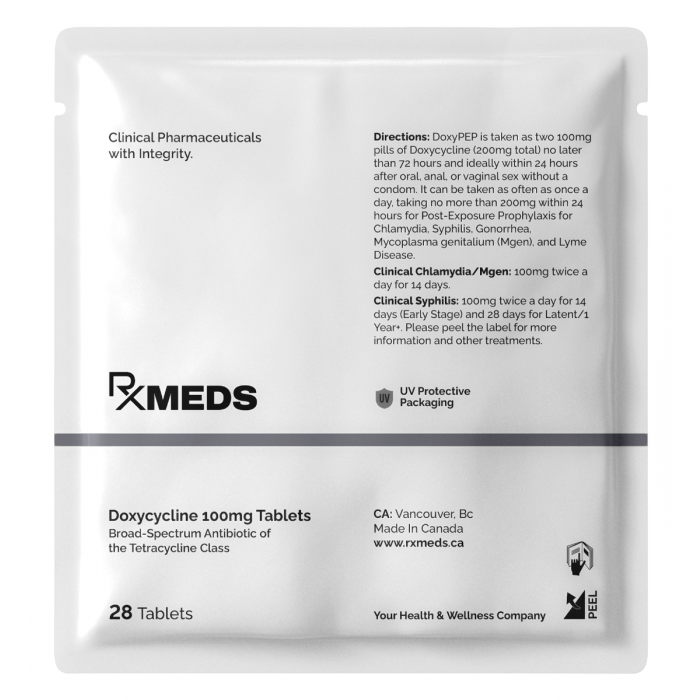
Anthrax (Post-Exposure Prophylaxis) Treatment 100mg
Anthrax (post-exposure prophylaxis) treatment provides effective prevention and management of symptoms after exposure. Using Doxycycline, this medication is designed to prevent the onset of anthrax, reduce severity, and promote healing. Order now to experience comprehensive and reliable care for Anthrax post-exposure prophylaxis.

In stock
Overview
Anthrax is a rare but serious bacterial infection caused by Bacillus anthracis, primarily affecting those who handle animal products, though it can also be spread through inhalation, ingestion, or skin contact with spores. The disease has multiple forms: inhalation anthrax, cutaneous anthrax, and gastrointestinal anthrax, each with unique symptoms but severe, life-threatening implications if untreated. Recognized for its potential as a biological weapon, anthrax requires rapid intervention after exposure to minimize risks.
Post-exposure prophylaxis (PEP) for anthrax aims to prevent infection following exposure to anthrax spores, especially critical in high-risk situations or outbreaks. Antibiotics are the mainstay for PEP, effectively halting bacterial growth and reducing the risk of systemic infection. Key antibiotics used include Ciprofloxacin, and Doxycycline, which are effective against anthrax when administered promptly and for an extended course.
- Ciprofloxacin is commonly recommended due to their proven efficacy in preventing inhalation anthrax. These drugs, typically taken twice daily, can prevent the bacteria from multiplying and spreading.
- Doxycycline is also effective, especially where quinolone antibiotics are contraindicated. It inhibits bacterial protein synthesis, providing a robust defense against cutaneous and inhalation anthrax.
In addition to antibiotics, antitoxin treatments such as Anthrax Immune Globulin or monoclonal antibodies like Obiltoxaximab and Anthim target toxins released by B. anthracis, which cause significant damage to the body. These agents are often reserved for confirmed cases or patients at high risk of systemic anthrax.
The recommended course of antibiotics typically lasts 60 days, with initial intravenous administration in severe cases, transitioning to oral therapy as symptoms stabilize. This extended duration is essential as anthrax spores can remain dormant in the body, activating later if untreated. Pregnant women, children, and immunocompromised individuals may require adjusted dosages or alternative therapies based on their unique health needs.
In cases of anthrax exposure, quick response with antibiotics, possibly combined with antitoxin therapies, can prevent progression to severe illness, making PEP a critical step in managing anthrax outbreaks and exposures.
Dosage for Anthrax Treatment (Post-Exposure Prophylaxis)
- Ciprofloxacin: 500 mg orally twice daily, or 400 mg intravenously every 12 hours.
- Doxycycline: 100 mg orally or intravenously every 12 hours.
The standard PEP course typically lasts 60 days due to the risk of delayed spore germination.